Posts tagged "how to"

Propagating Geraniums: Take Cuttings!

Ivy-leaf Geranium cutting dusted with root hormone and set in a small pot for propagation

Propagating geraniums by taking cuttings is an easy way to multiply your plants and an ideal plant to clone.

Once you master the basics of propagating geraniums, no geranium plant will be safe from your garden pruner!


Ivy-leaved Geraniums were the first plants  I learned how to propagate and I remember asking, "Why isn't everyone doing this?"

You probably have a geranium in your garden right now that you can practice your cloning chops with.

If not, take a walk around the block and when you spot one you like, ask your neighbor for permission and take a cutting!


Why Propagate Your Own Plants?

The garden centers are full of affordable, eye catching plants these days.

Why multiply your own plants?

If you have a favorite or nostalgic plant that isn't produced anymore and isn't patented- cuttings are an ideal way to make more plants!

Best of all, it's free.


Watch the Video: "How to Turn One Geranium into Many Geraniums: Gardens of the Rich and Famous"

For those of you who like to watch my  "how-to" videos, here's one that's short, informative, and entertaining.

I promise you'll remember every step!

My husband did, and he's not a gardener.

Not even close!


Watch the new "Gardens of the Rich and Famous" web series on Digs Channel- Youtube!

I'm their gardening expert.


Materials For Geranium Propagation

  • Sanitized hand pruner or scissors
  • Small pots
  • Sterile, lightweight potting soil
  • Spray bottle for watering your cuttings
  • Rooting hormone to stimulate root growth
  • Plastic zip loc or storage bags to use as "mini-greenhouse"
  • A healthy "mother plant" to take cuttings from


Steps For Propagating Geraniums

Ivy_Leaved_geraniums_Shirley_Bovshow_EdenMakers_Blog


1. Select a healthy geranium plant that will act as the "mother plants" from which all new plants will come from.

It's all about the genes, so go ahead and discriminate!

Look for sturdy stems, green leaves, robust flowers and avoid plants that are diseased or infested with pests.


It's best to identify your mother plant while it's in flower so that you know what to expect from it- your plant will be a clone!


Taking_A_cutting_Ivy_leaved_Geranium_Shirley_Bovshow


2. Take cuttings.

You will need to cut a stem that is between four to six inches long.

Take your cuttings early in the day, morning is ideal because of mild temperatures.

Cutting a plant during the hottest part of the day can magnify stress in a  plant.

Remember, you are extracting a living entity from it's life source and creating a new home for it!

Make it comfortable transition!


Small_geranium_plant-cutting_stem_Shirley_Bov show

Short geranium stem

Cut your geranium stem at a 45-degree angle, directly below a node.


Node_on_a_plant_stem_where_leaves_grow


Illustration of node on a plant stem


A node is a swelling along the stem where leaves emerge from.

The new roots of your geranium plant will grow beneath the node, so make sure to make a clean cut.


Remove_lower_leaves_of_stem_cutting_for_propagation


3. Remove the lower leaves from the stem and any flowers or buds along the top.

Lower leaves are vulnerable to rotting since they may come in contact with the soil.

Flowers and buds should be removed in order for  your new plant to concentrate on growing roots and not to maintain flowers!


Three or four leaves should be retained along the top of the stem for photosynthesis and to support the growing cycle.


Dip_Plant_Stem_Rooting_Hormone_for_Cuttings

Rooting hormone for stem cuttings


4. Dip the bottom of your stem into rooting hormone.

Some gardeners argue that rooting hormone is not necessary for success in cloning geraniums, but I find that it gives new plants a "fighting chance."


Dip the bottom 1/4 inch of the stem into rooting hormone and dust off the excess powder.

Too much rooting hormone can damage a young plant.

Less is more.


Geranium_cuttings_in_pots_for_Propagation

Geranium cuttings in pots


5. Insert your cuttings into a small pot that is filled with pre-moistened lightweight, sterile potting soil.

Bury the part of the stem that has rooting hormone on it.

It's vital that the soil be moist for the cuttings to prevent wilting.


Water_Plant_Cuttings_with_Misting_bottle

Misting bottle for cuttings


6. Mist your cuttings!!

During the first few weeks of the growing period, mist your plants daily so that they don't dry out.

Avoid using a watering can- the force of the water stream can dislodge plants.


Protect your cuttings from evaporation!

It's the cause of death for many new plants.


Plastic_ziplock_bag_as_mini_greenhouse_for_covering_plant_cuttings

Zip loc bag as a mini greenhouse!


7. Cover your cutting pots with a plastic bag.

Oh, the joy of repurposing materials for the garden!


Zip loc bags are a great substitute for mini-greenhouses and for maintaining warm temperatures and moist environments for your new plants.

New plants can't take up water like mature plants do, because they lack roots.

It's the job of the propagator to provide a protective environment within the mini- greenhouse walls.


Take care that the bag doesn't "collapse" on the plants, prop it up with stakes if necessary.


8. Place your cuttings in a bright, sunny spot, but avoid direct sunlight!

Temperature plays an important role in plant growth and root formation.

Ideal soil temperatures for rooting plants is between 70 to 75 degrees.

Difussed sunlight is best as the sun's rays are intensified under the plastic and may scorch the plant.

Find a draft-free area and avoid wind tunnels or you're sure to send your plants flying!


9. Check your cuttings every day for the next few weeks!

You will be looking for moist soil and for any pests that may have invaded the mini greenhouse.

It shouldn't take more than a minute to mist your plants and move them to a new location if necessary.


Wait Actively For Your New Plants!

Indulge yourself in the wonder of life as you witness tiny nodes swell, new leaves emerge and threadlike roots start to form on your new plant!

You'll be transformed into a proud plant parent!

Propagating plants is a rewarding hobby.


Within four to six weeks, you will have a new plant that is capable of living outside of it's "incubator!"

This is the amount of time needed for the plant to grow roots and sustain itself.

You'll know that your plant has formed roots when you gently tug at it and you feel resisitance!


Transplant your baby plant into a larger pot or add it  to a mixed container with other plants!


Shirley_Bovshow_Gardens_of_the_Rich_and-Famous_Digs_Channel_Youtube_garden_expert

Shirley, gardening expert on the new, "Gardens of the Rich and Famous" show on Digs Channel, Youtube


 Congratulations!

You're on your way to becoming a plant propagator!


If you're ready for more  plant propagating adventure, read my other blog posts and watch my gardening videos:

Succulents

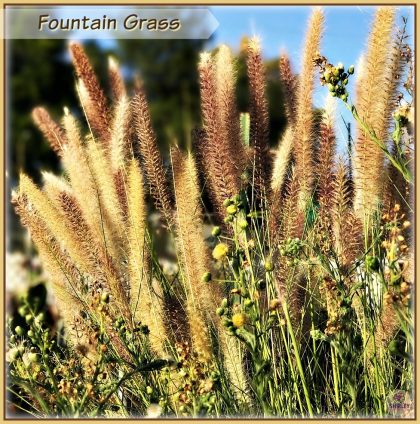
Red Fountain grass


Don't be shy!

Leave me your comments and questions below and please share this blog post  and video on Facebook, Twitter and Pinterest.

Visit EdenMakers blog often for all things garden design, makeovers and gardening basics.

Build A Compost Bin For Red Worms: Vermicomposting

Red Wiggler Worms for Compost Bin

Build an inexpensive compost bin for red worms and get started on basic vermicomposting!


What is Vermicomposting?


"Vermicomposting is the process where red worms and micro organisms break down rotting food such as breads, banana peels, coffee grounds, paper products,  (anything but meat and oil) and transform it into rich, compost soil for your garden!"


Do you want to put your leftover food to work and save money on buying compost for your garden?

It's easy and doesn't require a demanding time commitment or a lot of money to get started.


How Do Red Worms Create Compost?


It's a comlicated process which I will simplify for you:

Worm Castings Compost Soil on EdenMakers Blog


The red worms live in a compost bin where microorganisms are plentiful.

They  dedicate themselves to eating rotting food, multiplying and excreting  "vermicastings."

Vermicastings are the end product or prized compost soil that can be used in both containers and garden beds.
 
 
In exchange for their castings, the worms ask for a warm, cozy, dark bin to live in, consistent moisture, and some food scraps- which, you need to dispose of anyway!
 
 
Sounds like a win/win situation.


Watch Video: "How to Make a Vermicomposting Box: Gardens of the Rich and Famous"


In this video, "How to Build a Vermicomposting Bin: Gardens of the Rich and Famous,"  I instruct a couple of  new gardeners, Ari and Emma how to create their own vermicomposting bin using paint buckets.


NEWS: 

I appear as the garden expert in a new web series called, "Gardens of the Rich and Famous" on the Digs Channel on YouTube.

Although the show is actually a comedy and not a traditional garden show,  you will take away a valuable "garden 101" tip  from me in each video!

Please subscribe to be notified each time a new video is posted!


Materials for Building a Compost Box for Worms

These are the materials I used in my video tutorial:

  • Two, 5-gallon paint buckets with plastic cover (one bucket will be placed inside the other)
  • A powered drill with 1/4" bit
  • Shredded newspaper
  • Rotting fruit, vegetables, bread, coffee and tea grounds
  • Red Wiggler worms (these are the best type of worms to use for vermicomposting)
  • Watering can


Steps for Building a Compost Box for Worms

Prepare the buckets!

Drills Holes Bottom of Compost Bucket


1. Drill holes on the bottom of bucket that will be nested inside the other bucket using 1/4 inch drill bit to provide drainage for liquids and water.

When excess water drips out of this bucket, it will be caught in the bottom of second bucket and can be used as "liquid tea" for watering plants.


Make Holes in Bucket with Quarter Inch Drill Bit about half inch apart


Holes should be 1/2 inch apart at bottom of bucket to release excess water.

The worms may crawl out but this is not likely.

Add a fine mesh cloth at bottom of bucket if it is a problem.


Drill Holes Compost Box Under Bucket Rim


Add more holes below the bucket rim for aeration.

Add holes all the way around.

Your worms need oxygen too!


Nest One Compost Bucket into Other Bucket Worm Composting


2. Nest the bucket that has holes into the second bucket that will act as a resevoir to hold excess liquid.


Add Shredded newspaper to worm composting bin


3. Add shredded newspaper to the bottom of your compost bucket

The newspaper will function as bedding for your red wigglers and should be fluffy and not compacted down, even after watering.

Many newspaper publishers use soy ink these days which is non toxic, but don't use the glossy paper or colored advertising circulers.


Water Newspaper in Worm Composting Bin EdenMakersBlog.com


4. Water the newspaper to a "wet rag" consistency.

The newspaper should not be soaking wet as this causes the paper to compact and reduces air circulation for the worms.


Rotting Bread Fruit Eggs For Worm Compost Box


5. Add rotting pieces of food to bin.

You have a wide assortment of foods that you can add to your worm compost bin but avoid meat, butter, and greasy food at all costs!

Oil and protein do not break down easily and you will attract rats and other vermin to your compost bin.

Yuck!


Be a mensch and cut your food into small pieces so that the worms can digest it easiser.

They have tiny mouths, as you can imagine, and a huge appetite.

Red wigglers in captivity will eat double their weight in food.

They channel their energy for eating and reproducing!


Get ready for worm population explosion in your compost bin- which is a good thing.

More worms, more poop!!


Coffee Grounds For Worm Compost Bin


6. Add coffee or tea grounds!

Make friends with the local barista and ask for their used coffee grounds.

Coffee grounds contribute a source of nitrogen and acidity to the compost.

Don't worry if you don't remove the paper filter- the worms will eat that too.


Add newspaper to worm composting bin


7. Add a final layer of newspaper and water it

As a top layer, I like to hide my food under a final layer of moist newspaper.

This gives my red worms a landing pad when I throw them in and the opportunity to dive and explore their new home.

The newspaper also obscures light coming from the top of the bucket (white lid) and maintains a dark environment which is ideal for the worms.

Red Wiggler Worms for Compost Bin


8. Add the worms!

Some people prefer to wait a week or two after preparing the worm compost bucket to give the food an opportunity to rot and time for micro organisms to multiply.

I add them immediately!

No problem so far.


You will need approximately one pound of red wiggler worms for each pound of food in your composter.

Great deals can be had online or at your local garden center.

I spent $15 for one pound of worms and I expect them to double in population in 60 to 90 days!


Place Worm Compost Bin in Shaded Area


9. Add your bucket cover and place your new vermicomposting bin in a sheltered area where it doesn't recieve direct sun.

We are not baking our worms!

Ideal temperatures range from 38 degrees to 85 degrees.

If you don't mind, you can place your compost bin indoors in a kitchen cupboard, utility room or garage.


10. Keep your worms fed!

The first few weeks of vermicomposting will be your discovery period.

Check your bin every few days to inspect the food consumption and assess how often you will need to feed your worms.

A good idea is to feed weekly and set the food in different places underneath your top layer of newspaper.

You don't want to concentrate the food in one area, let them explore!

If you need more paper, add moistened paper to your bin and fluff it so that worms can move around it.


Use Your Worm Castings in the Garden!

Within a few months, your worms will delight you with a supply of fresh compost soil that you can apply to container gardens and landscape plants!

Once you experience the joy of creating your own compost, you will be hooked!


Tips for Worm Composting

  1. Use an opaque colored bucket or bin to keep the inside of your bin dark. Your worms require it!
  2. Make sure the compost bin is always moist but never soaking wet.
  3. Add a little prepared compost or grit to your food mix for extra roughage. Yes, worms need fiber too!
  4. Harvest your worms from the finished compost by luring them to one area of the compost bin with new food. As they gather around the food, they will abandon the clean compost areas so that you can collect it and use in your garden!


Shirley Bovshow AriAndEmma of Gardens of The Rich and Famous Digs Channel

Shirley with Ari and Emma of the Digs Channel show, "Gardens of the Rich and Famous"- a comedy web series with gardening undertones!


Good luck with your worm composting project!

Please leave me your questions and comments below so that I can answer them for you.


If this article has been useful to you, please share with a friend on Twitter, Facebook or Pinterest!

EdenMakers Blog is your fun source for garden makeovers,  edible garden design, container garden ideas, lawn less landscapes and gardening news!

Subscribe to EdenMakers Blog and my new show, "Gardens of the Rich and Famous" on the Digs Channel on YouTube!


See you soon.

Shirley


Selecting Wood for Outdoors

pine swing bench

Would you believe after 4 years of blogging, I have my first guest blogger?

It so happens that I've  been thinking about writing about outdoor wood selection for some time now and then I met Hazel Jennings, writer for the CedarStore.com.

Hazel writes about wood for a living!


So Hazel and I agreed to "guest blog" on each other's blog site and I asked her to give us some information about wood quality as it relates to selecting outdoor furniture.

I've been busy working on some exciting garden media projects for all of you, so a big "Thank you" to Hazel for helping me out!

*This is not a "paid advertorial," (though I could use the money big time!), so take advantage of this useful information.


Which Wood Would You Choose?

When looking for outdoor furniture, its hard not to just consider aesthetics.

I love half the clothes coming down this seasons hottest runways, but the majority of them wouldn't be a good fit for me or my lifestyle, right?

Though the size, color, and design of your patio sets should reflect your personality, you also want to make sure the material will suit your needs as well.

Whether those needs are related to budget, sustainability, weather conditions, or durability, every material used for outdoor furniture has its ups and downs.

It's  good to know the facts before getting lost in the nearly endless varieties of outdoor furniture!


western red cedar patio furniture


Western Red Cedar:

As a writer for Cedarstore.com you can imagine that I know A LOT about cedar!

The two aspects that cedar is most famous for are its aroma and resistance to decay.

The naturally lustrous wood is warm with that rich reddish hue, and the subtly aromatic qualities fill any space it's used in with a rustic and homey feel.

Cedar is also filled with naturally occurring oils that act as preservatives against both decay and insect attack.

Plus, it's environmentally friendly, as for each cedar tree that is used for our outdoor furnishing, five more are planted!


I'm trying very hard not to make this sound like a late night info-mercial, though I just can't resist- But Wait! There's  More!

Western Red Cedar is also an incredibly affordable material.

Though it's rich in aroma, color, and natural protective oils you don't have to be rich to enjoy it.


But, artists beware, if you're hoping to paint your furniture or structures in anyway, cedar is not a good choice.

It resists paint the same way it resists moisture and becomes incredibly difficult to paint.


pine swing bench

Southern Yellow Pine

Pine is one of the most affordable woods out there: if budget is your main concern, pine may be the best bet for you!

It's also much easier to paint than Red Cedar, so people looking to add their own color and decorative painting to their furniture would find pine to be a great option.

Unfortunately, it lacks the weather-durability of many other woods.


Though structurally incredibly sturdy, it is very susceptible to decay and damage.

However, a pressure treatment process creates Pressure Treated Pine that boasts a 30 year warranty against rot, decay, and insect damage.


teak patio furniture

Grade A Teak

Teak is "grade A"  if the tree has reached full maturity to provide the best quality wood.

This process takes over 30 years, and only a few countries are able to export this fine and rare wood.

Teak, once its achieved Grade A status, is one of the strongest woods available.


Teak is absolutely the best hardwood used to manufacture outdoor furniture because it is dense with a tight grain, durable, and has a high content of natural mineral deposits that effectively repel water and moisture.

It will absolutely not warp or decay due to changes in temperatures.

Because this wood takes so long to become so great,  it will cost you.

It is absolutely the best, and it is absolutely the most expensive.


Though, like other expensive products, it will last much longer than other materials and would be worth the price of not having to replace it in several years.

But, if you're  designing on a tight budget,  you might want to look elsewhere.


polywood outdoor furniture

Polywood

If you've made the important and honorable commitment to a greener and more sustainable lifestyle, look no further than Polywood outdoor furniture.

Polywood isn't even actually wood! It's engineered from polyresins, recycled plastics, and high density polyethylene, and then crafted to look and feel like real wood.

Made completely of recycled materials, you will absolutely be doing your part to help the earth by using this material.


Plus, even though it looks, feels, and acts like real wood, it's not.

It requires barely any maintenance at all and will endure all weather conditions.

It's green and low maintenance, but if you're  someone looking for real, through-and-through wood, don't be fooled by its appearance!

Well, these are the top four competitors for top spot in outdoor furniture materials.


There are a lot of other materials out there, but hopefully knowing a little more about four of the most popular will help you make a more informed decision when you're shopping for this spring's  outdoor decor.


Just like anything, what type of wood is best for you is completely dependent on your lifestyle, budget, and desired uses,

So, there's no way for me to tell you exactly what to buy (besides, wouldn't that take all of the fun out of it?), but at least now you can go into the decision as an expert!


Hazel Jennings is the in-house writer and social media manager for CedarStore.com.

As someone more likely to be caught enjoying the outdoors than anywhere else, she loves working with, learning and talking about, as well as writing on the furniture and structures that pull families away from their televisions and out into nature.


Hazel has a passion for the environment and thinks all great design should work with and reflect the beautiful outdoors.

CedarStore.com is a family of five websites specializing in outdoor furniture and structures.

Offering a wide variety of top quality and handcrafted pieces, CedarStore.com, GazeboCreations.comAllPicnicTables.comTeakDesigns.com and DesignerBridges.com can boast the absolute authority on both their products and their ideal uses.

A team of customer service representatives and professional project advisors are always on hand to help guide you through selections, decisions, and in the case of our structures: design, customization, and installation.

As experts in the field, CedarStore.com writes a well-read blog, AllOutdoorPatioFurniture.com, to help outdoor enthusiasts and gardeners design their gardens, lawns, and patios to suit their needs.


With five websites and a blog packed full of useful and applicable information, CedarStore.com is not only passionate about their high grade products, but making sure everyone can get the most out of their outdoor spaces as possible!

To learn more: visit CedarStore.com, AllOutdoorPatioFurniture.com, Follow them on twitter with @CedarStore, or, of course, simply call them up at 1.888.293.2339.

How to Multiply Your Plants: Red Fountain Grass

Learn how to multiply your plants: red fountain grass!

Now that the weather is cooling down in my zone 10 garden in Los Angeles, I'm doing yearly maintenance on some of my ornamental grasses.


IMG_5521


Red fountain grass, Pennisetum setaceum enjoyed a great run this summer.

As a "warm season" grass, Pennisetum setaceum is in active growth mode throughout the summer and its feathery plumes stir up a lot of attention from passersby.


I usually let my grasses grow and leave them alone to set their own height restrictions but lately, I've noticed some of them need help with "girth control."

Their getting fat around the middle!


Good news for me because that means that the plants can afford a little "horticultural lipo" when I extract some "divisions" and create more plants!

Want to see me in action, propagating red fountain grass?


I promise this video is very short and informative and may encourage you to get dirty!

Look for all of my "Multiply Your Plants" videos shown weekly on my garden TV talk show, "Garden World Report."

Last week, I multiplied a Kalanchoe plant by cuttings.


Propagating Succulents: Kalanchoe luciae ‘Flapjack’

Kalanchoe "Flapjack" plant

The succulent, Kalanchoe luciae "Flapjack" is one of the most dramatic looking  plants I have in my garden.

Jade green leaves with dark red wine margins.

Mmm, just gorgeous.


It's expensive too!

A 5"-inch pot may set you back $8 to $10 dollars or more, depending on where you live.

Fortunately, Kalanchoe's are a part of "natures stimulus" plan and are easily multiplied into many plants through "offset propagation.


IMG_5799

A "monocarpic" plant, once the Kalanchoe flowers, it starts to die, new "baby plants" can already be seen at the base.


As a tradeoff for being monocarpic, the Kalanchoe is truly sympathetic and endows the gardener with "baby plants" and "offsets" to take it's place once it dies.

I know lot's of people who just throw the Kalanchoe away when it finishes flowering.

Don't do that!

Do you realize there are dozens of new plants waiting to be given a chance to live (and save you some money) through propagation?

It's so easy to multiply this plant, its almost feels like I'm "getting away with murder!"


How I multiplied my Kalanchoe luciae, "Flapjack"

Enjoy the video on how to propagate Kalanchoe plants.


IMG_5801

First, I cut the flower stalk from the base of the new baby plant.

I see lots of small Kalanchoe leaf clusters growing along the length of the flower stalk.


IMG_5164

The leaf clusters are the "offsets" I will use to make more plants from!


IMG_5168

I use a clean, sterile knife to cut the leaf clusters from the stalk.

I cut close to the base, snipping off a tiny part of the flower stalk.


IMG_5169

Next, comes the difficult part.

I have to wait about 3 days for the ends to dry and callous before planting them!

I feel like I'm "sitting Shiva!" "Oy, veys mir!"


IMG_5170

Succulents like Kalanchoe should be planted in a well draining container, at least 5"inches deep.

A sandy rooting mix is best- you can buy it or use 3 parts sand to 1 part loam.

Moisten the soil, but don't saturate it with water.


IMG_5171

Keep your plants in a warm area, shaded from the sun.

Water consistently, but moderately and you should have new plants in about 8 to 10 weeks!


You can check to see if your plants are ready for transplanting by giving them a light tug.

If you feel a slight resistance, roots have  formed.


Congratulations..you have a new plant!


Multiply a Geranium Plant

Now that you've mastered multiplying Kalanchoe plants, try your hand at propagating geraniums…it's even easier!


Watch the video, "How to Turn One Geranium into Many Geraniums! Gardens Of The Rich and Famous"

I appear as the gardening expert on the new show, "Gardens of the Rich and Famous" on the Digs Channel on Youtube and dispense "gardening 101"  information.

Please subscribe to the show and share the videos with your friends.


Subscribe to Eden Makers Blog to receive updates for new, fun and exciting posts about gardening and losing your "blogger's butt!"

The $25 Dollar Victory Garden By Joe Lamp’l

Joe Lamp’l is a gardening expert and  the host of the PBS show “Garden Smart” and the author of “The Green Gardener’s Guide” book. Joe is also very ambitious. Lately, Joe has been on a mission to prove to himself and the world that he can grow an edible garden that will feed a family of four on a $25 dollar budget!


Joe Lamp’l's  ”25 Dollar Victory Garden Challenge” part one

I have to admit, I have my doubts that anyone can stay within this small budget but Joe has amused me by his ingenuity and ability to move scores of gardening friends to share a few seeds and other gardening necessities. What I like about Joe’s approach is that he isn’t just waiting for a handout, Joe is repurposing items that end up in the trash as essential gardening materials.

Ordered pizza lately? Don’t throw away that box- Joe has an idea for you!

Joe has given me hope because his “tactics” are very user friendly. 


joe2low

Joe Lamp’l also shares his gardening wisdom on his weekly podcast, “Growing a Greener World” that I enjoy listening to.

So, check out this “everyday Joe gardener”  as he plants an edible garden for his family on an impossible budget!

Joe Lamp’l's “$25 Dollar Victory Garden Challenge: You’ve Got Mail” part two

Mulch 101: The Art of Selecting the Perfect Garden Mulch!

EdenMaker Tip:

Recycled tumbled glass mixed with broken tile is used as mulch in this garden vignette


Mulching your garden bed is an art form?

It is to me! 

When I have over one-hundred different materials that can be used to mulch my garden bed, I select the one that is most suitable for the site and plants, compliments the design and is priced within my budget.


I don't consider my garden work complete if I don't give my beds a finished look with mulch.


With so many options its worth taking a look at the benefits, disadvantages and aesthetic value of different mulch materials.


Watch  Shirley's video on selecting the perfect mulch for your garden.


What is Mulch?

Mulch is any organic or inorganic material that is used to "top dress" or cover the soil in the garden.

You can buy mulch at your local nursery or landscape center or you can find "free" organic mulch like pine needles and leaves around your yard that can be shredded and used as mulch.


Did you know that  seaweed can be used as mulch?

Inorganic mulches include non-living materials such as stone, shredded rubber, black plastic and tumbled glass.


Recycled peach pits from Pit's In Pieces makes a gorgeous and aromatic mulch with a uniform look.


Pit's In Pieces peach mulch repels snails, is long lasting and does not use nitrogen to break down.

My all time favorite mulch!

I use it in my garden.


Why Mulch?

Birth control for the garden!

When your garden soil is covered by a two or three inch layer of mulch, the sun can not penetrate the soil and stimulate weed growth.

In this case, mulch acts as a physical barrier for germination and photosynthesis of those unwanted and "unplanted" plants.

A thicker layer of mulch-up to 4"- inches can be used in cold winter gardens to insulate plants from freezing temperatures. 


Recycled rubber tires are colored, shredded and used as a garden mulch and walkway material.


This is a practical mulch for commercial or institutional gardens as they are long lasting and come in a variety of color.

Great for wind-prone areas because of extra weight and I like it in the garden more than in the land fill.


Does Mulch Work?

Not as well as most birth control methods, but effective enough to keep my weeding to a minimum!

If these odds are not to your liking, abstain from gardening 'cause there is no guarantee.

(Have you seen weeds growing through sidewalk cracks?)

That is a serious will to survive.

 Another reason to use mulch is to help maintain moisture in your soil by insulating it from the drying heat and to moderate temperatures around the root zone.


Shredded redwood mulch looks best in an informal garden like this one with ornamental grasses and sage where there are large open areas between plant.


 Can Mulch Cause Problems?

Yes, when mulch is applied too densely or incorrectly, it changes from being your garden's friend to it's foe.

Thick layers of mulch do not allow water to percolate into the soil, so your plants die from thirst.

Mulch that is mounded up against a plant is an invitation for root rot in plants, fungus  and harmful bacteria.

Too much trapped moisture can lead to plant death from drowning.


Some mulch materials such as wood chips, shredded newspaper, and shredded bark are great for deterring weeds, but they use up valuable nitrogen from the soil to break down and contribute no valuable nutrients to the soil. 

Compost, on the other hand, can be used as a mulch material and enriches the soil with beneficial organisms and nutrients.

The only drawback is that weeds can find this environment "beneficial" too.

Get the hoe ready!    


Redwood soil conditioner enriches the soil and improves texture but does not offer the best protection against weeds unless you apply a THICK layer!


That said, redwood soil conditioner is neat looking when "clean" lines matter in your garden design.


Cocoa mulch can be deadly to your pets!

The ingestion of as little as 2 ounces of cocoa mulch has been implicated in severe stomach upset, and more serious illness and death at higher doses!

Dogs and cats may find the chocolate aroma irresistible and can be poisoned by the caffeine and theobromine in it.

Cocoa mulch should only be used in pet-free yards.


I found out the hard way when my dog started snacking on my cocoa mulch and threw up.

It was a lot of work to remove it from the garden and it the cocoa mulch cost more than a lot of other mulches.

The upside for "pet-free" gardens is that cocoa mulch provides great weed suppression and does not rob nitrogen from the soil to breakdown.

The downside is that your garden will be "pet-free" if your dog or cat eats the cocoa mulch!  


Shredded melaleuca makes an ideal cover under tree groves 


Is Mulch Expensive?

If you have a large garden, you may want to consider purchasing a "scoop" or "skip" of shredded redwood or cedar mulch from a landscape center and have it delivered to your house.

A bulk order will be less expensive in the long run than buying a lot of 1 or 2 cubic foot bags from the nursery.  


Stones and gravel are useful mulches for succulent and other dry gardens.


Stone and gravel are long lasting, do not break down but should be installed with a weed barrier cloth underneath to keep the gravel from sinking into the ground.    


Designer Shirley Watts uses broken mosaic as mulch.

Clever and artsy!


I use seashells as mulch in container gardens.

If you have enough to cover a garden bed, it looks beautiful in a seaside garden.  


Shredded wood  from construction wood pallets are a great repurposed mulch.


I would use shredded wood from construction pallets  in an informal garden.

There is a perfect mulch for every garden need, budget and style.


Don't forget to pamper your soil with plenty of organic compost before covering it up with mulch.

Refresh your mulch as needed- usually once a year.


For more gardening tips, garden design, edible gardens and "how to"  videos by Shirley Bovshow, visit EdenMakers.com